
Delivery and discounts are calculated prior to checkout.

Visit our Garden, DIY & Building Materials Shop
- Mon-Fri: 7:30am-5pm
- Sat: 8am-12:30pm


Your local supplier of ready mixed concrete
Top Gardening Trends for the Summer
Gardening has never been so popular – and that’s official! Data released by Google shows there has been a 39% increase in garden-related searches year on year. But how is this likely to be reflected in the months ahead, when we start planting and growing?
Madingley Mulch are specialists in soil conditioners and composts, as well as a wide selection of other outdoor gardening supplies. We serve customers in Hertfordshire, Essex, Suffolk, and our home county of Cambridgeshire. Here we look at the most likely trends for budding horticulturalists this summer.
Low-Maintenance Flowers, Fruit and Veg
Everyone has been spending a lot more time in the garden – and that includes novice gardeners who may be looking to grow their own flowers, fruits and vegetables for the first time.
There is likely to be an emphasis on low-maintenance, easy-to-grow species. In terms of flowers, this means species like sunflowers, sweet peas and marigolds, while radishes, peas, beans and potatoes will be an attractive option for vegetable patches.
Don’t Forget the Youngsters
It’s not just the adults that are spending more time at home, children will be too with the summer holidays coming up. That is why it is important to make a space for them to call their own in the garden, where they can have hammocks, playhouses, tyre swings and other play equipment. In addition, if you give them their own growing patch they will be more likely to eat vegetables if they grew them themselves.
This area could be fenced off to give them, and you, more privacy. Different areas can be screened off with picket fences, fencing panels and other products which we at Madingly Mulch can supply from our base near Cambridge.
Growing in Small Spaces
Increasingly, people with smaller gardens and balconies are also looking to make the most of their outside spaces. This is why dwarf hybrids and small trees that can be grown in pots and on balconies have been growing in popularity.
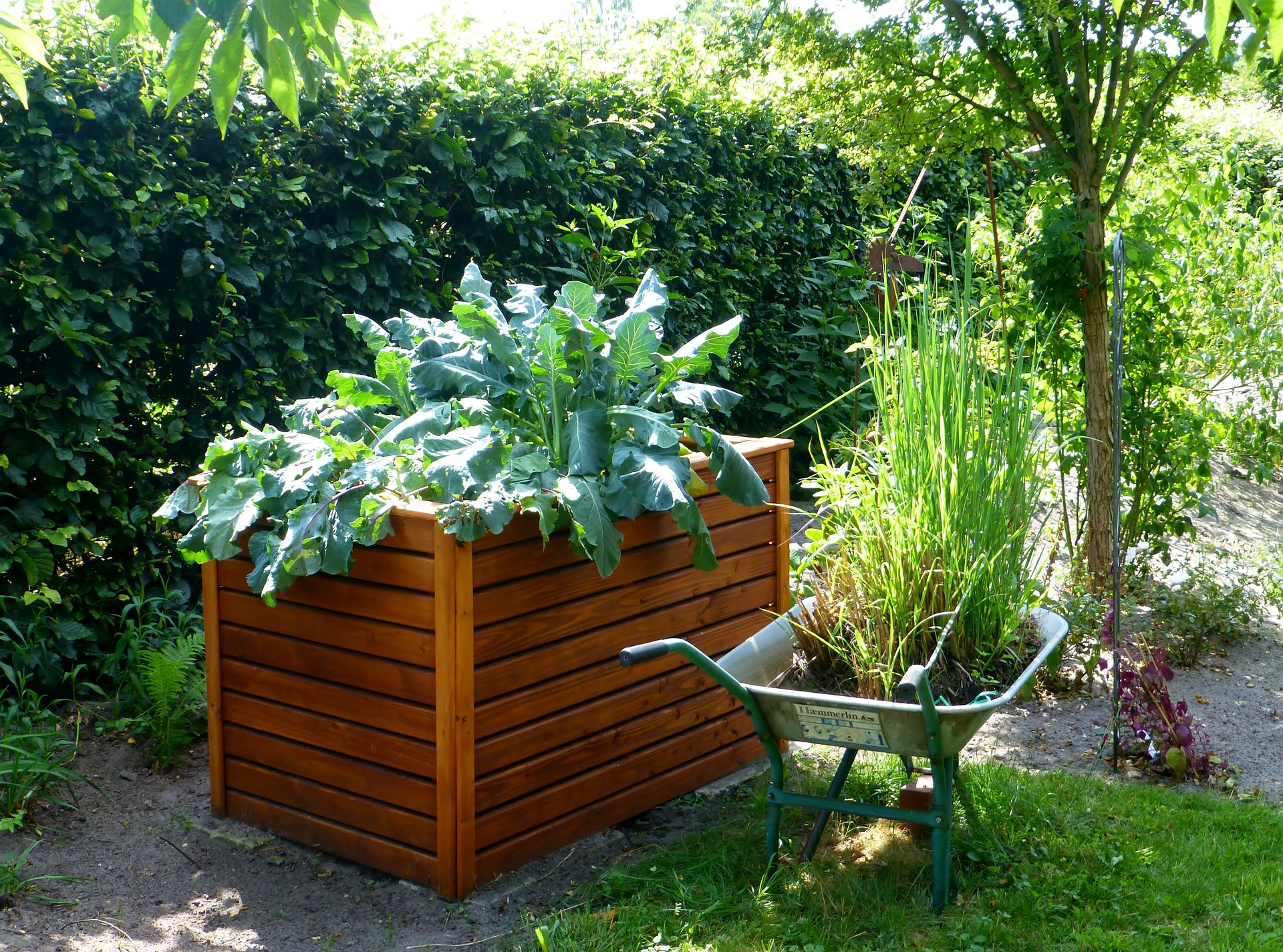
Raised beds (above) have also become more popular because not only can they be accessed more easily, but also placed on a hard surfaces like concrete, slabs or wood. Madingley Mulch are exclusive suppliers of Denise’s Delight, a high-quality soil conditioner which mixes horse manure, Black Fen soil and other plant nutrients and which is ideal for this type of planting.
Inside Outside
More and more people are treating their gardens as an extension of their houses. This is why interior and exterior design should work in harmony. However, what does this mean from a planting perspective?
One way of achieving this is to choose species which can grow indoors as well as out, such as succulents, potted palms and peace lilies. Vertical gardening is another way of integrating the outdoors with the indoors, as well as making use of limited space. You can do this by taking full advantage of hanging and wall planters, shelving and wall pots. Climbers and crops like strawberries and herbs can also be grown vertically.
Outdoor Gardening Supplies from Madingley Mulch
As well as providing soil conditioners, compost and fencing products to gardeners in Hertfordshire, Essex, Suffolk, and our home county of Cambridgeshire, Madingley Mulch can also offer friendly, experienced advice to gardeners.
Our home delivery service operates in Cambridgeshire and the surrounding counties, and drops off orders in Ely, Huntingdon, Newmarket, Saffron Walden, and many other locations. Delivery is free within a 15 mile radius of our operation just outside Cambridge. There is a standard £20 delivery charge applied up to a radius of 24.5 miles.
If you need an order delivering beyond this area, call us on 01954 212144 for a custom delivery quote, either by our bag lorries or via our nationwide palletised delivery for our specialist products that you can’t source locally.
Owing to high demand, delivery times may be slower than usual. If you would like to know more, call us on 01954 212144 or click on this link to find out more about our products and prices.
How to Create the Perfect Courtyard Garden
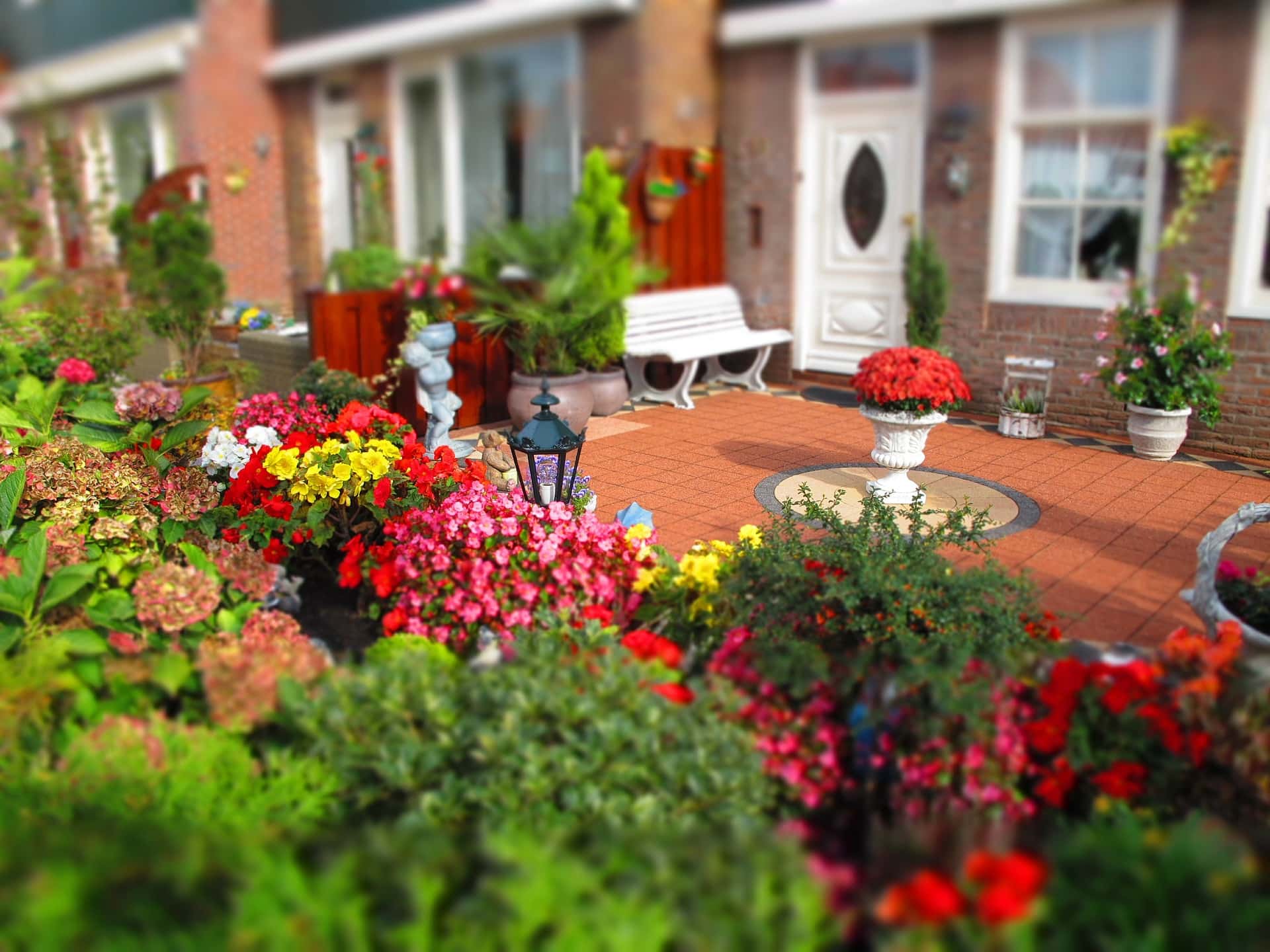
Here at Madingley Mulch, we know small can definitely be beautiful when it comes to courtyard gardens. With the right plants, furniture and garden paving, our customers in Bedfordshire, Cambridgeshire Essex, Hertfordshire and Suffolk have created some incredibly relaxing spaces. If you’d like to make the most of your courtyard garden, just follow these five top tips.
Don’t Try to Fit Too Much In
This is the first and most important rule when working with a small and enclosed area, as one big central feature will have much more effect than lots of little ones, which can easily make the space seem cluttered. A small shed or storage container will keep the whole area tidy and well maintained.
Create the Illusion of Space
Choose light, neutral colours that reflect space instead of dark or bold colours that will make it seem smaller. And don’t go in for lots of pretty patterns – keep colour schemes simple and minimalist.
You can also create the impression of space with diagonal paving slabs, while water features also work well in courtyard garden design because they reflect the sky.
When it comes to plants, grow upwards, as creepers and climbers up the side of fences and walls won’t take up much space at ground level. Raised beds can be used to create growing areas which can double up as seating.
Look After Your Plants
In a courtyard garden, there’s nowhere for poorly plants to hide. If you use good quality compost, soil conditioner or mulch, you can help the earth in your beds retain moisture and reduce weed growth in summer, and also protect plant roots in winter. And try to match your plants to the conditions. For instance, if you have a shady courtyard, then hostas should be able to thrive.
At Madingley Mulch we exclusively supply Denise’s Delight, a mix of Fen Soil, horse manure and other plant nutrients, and Tony’s Tonic, a mulch which can either be spread over the soil or dug in. Both these products will help your patio plants to flourish.
Choose Landscaping Materials Carefully
In a courtyard garden, the style, quality, colour and finish are more important than ever. Paler paving and decorative stones will make the garden look bigger – and keep it cooler – than darker slabs. Choose grouting which is a shade lighter than the slabs, and recess it slightly so that it doesn’t dominate.
We stock a wide range of garden paving stones. Our Premier Riven and Indian Sandstone slabs both come in a variety of shades, while our Old Grey Courtyard Paving is ideal if you want to create a weathered effect.
Make it an Extension to your House
Make sure it is easy to get from the house into your courtyard garden, as this will encourage you to use it as an outdoor living space. Use pathways and lighting to draw your eye down from the garden from the windows or patio doors.
Choose comfortable seats, and then place them in the sun or shade depending on your personal preference. With carefully positioned lighting or controlled outdoor fires, your courtyard garden can be used all year round, even in the darker winter months.
Courtyard Garden Materials from Madingley Mulch
If you’d like to redesign your courtyard garden, Madingley Mulch supplies a wide range of materials, including fencing, decorative stones and garden paving, which we can deliver to Bedfordshire, Cambridgeshire Essex, Hertfordshire and Suffolk. Visit our shop to browse our extensive range or ask for advice from our friendly, knowledgeable staff or feel free to give us a call on 01954 212144.
Top Tips on Creating a Japanese Garden

Japanese-style gardens have become increasingly popular in the UK. With their focus on the integrated design and simplicity, they offer a stark contrast to the flower-packed traditional English equivalent.
Here Madingley Mulch, who supply decorative stones and other outdoor gardening products to customers across Essex, Suffolk and Cambridgeshire, provide some top tips on how to bring a flavour of the Orient into your garden – and you don’t need to break the bank to do it.
Keep Plants Simple
Colour isn’t a priority in Japanese gardens, so you don’t need to spend a lot on plants with vivid flowers. Common varieties of wisteria, hydrangeas, irises and peonies can all be used in moderation to provide colour all year round. If possible, plant odd numbers of each species as this will help create an asymmetrical look. One of the key drivers of any oriental garden is that it should imitate nature wherever possible, so avoid rigidly shaped flower beds and straight lines.
If you have space, flowering cherries and magnolia trees will provide your garden with plenty of shade and fragrance. Adopting a low management approach will mean you don’t have to spend hours and hours maintaining your new creation.
Make Good Use of Gravel and Decorative Stones…
Many Japanese gardens include water features, such as fountains, ponds, bowls or even waterfalls. Oriental culture believes that the sound of running water has an extremely soothing effect on the mind, helping you to use your garden as a place of quiet meditation.
However, if you don’t have the space or the money to splash out on this type of garden design element, then consider laying down some decorative stones or gravel instead to simulate the appearance of water. The Japanese call this a ‘dry garden’.
…and Pathways Too
The Japanese also have a long tradition of creating ‘stroll gardens’ which make extensive use of paths and bridges. This version was originally created by wealthy aristocrats who wanted to make sure that visitors could appreciate the full beauty of their garden from different perspectives.
However, it is simple enough to introduce this key element into your own space. To follow the traditions, your pathway could take the form of a simple loop around a pond or water feature, or it can consist of a network of stepping stones, wide paving or a gravel path.
Everyone’s Cup of Tea
Another variety of Japanese garden is the ‘tea garden’. Oriental tradition dictated that homeowners should be able to enjoy a cup of tea in their garden, so a small building with an upturned roof was created for that very purpose. It also protects the owner from the heat of the day or a sudden downpour. Your teahouse doesn’t have to be too intricate – any wooden structure with beams and a roof will be ideal.
How Madingley Mulch Can Help You Build a Japanese Garden
Madingley Mulch has all the outdoor gardening supplies you need to help you create a little bit of the Orient in your back garden. If you need to create a new garden path or simulate a water feature, we can supply a wide variety of decorative stones to customers in Essex and Suffolk, as well as our home county of Cambridgeshire. These include 10 and 20mm gravel, pebbles, cobbles (between 20mm and 150mm) and paving slabs, which can be used for stylish patios as well as garden paths.
To find out more about what we stock in our online shop, simply click here. If you have a bulk order, we offer free delivery within 15 miles of our base on the edge of Cambridge. If you live between 15 and 24.5 miles away a standard charge of £20 applies.
We can arrange deliveries further afield as well. Among the places we deliver to regularly are Huntingdon, Royston, Ely, Saffron Walden and Newmarket. However, due to the current high demand for our products, it may take around two weeks for us to fulfil your order.
Five Top Watering Tips for Gardeners
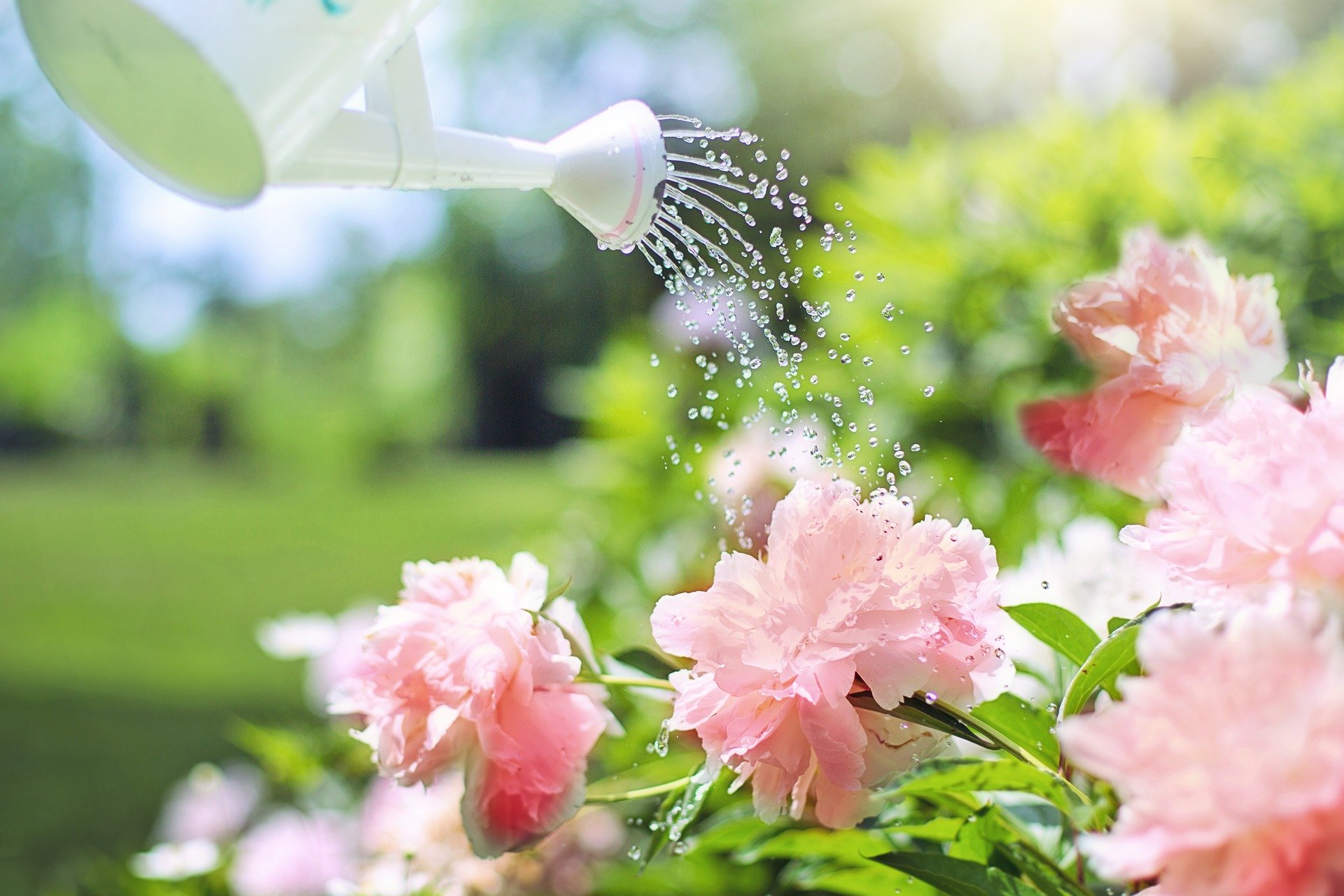
The onset of summer usually means warmer weather and many of your plants will need a helping hand if they are to continue to flourish. Bark mulch suppliers Madingley Mulch, who are based on the outskirts of Cambridge, have compiled these five helpful tips for gardeners who may be worried about how much water their plants should get and when.
Pick Your Time to Water
The best time to water is either in the early morning or evening. Both times allow the water to run down into the soil and reach your plants’ roots without losing too much excess water to evaporation. This would be more likely to happen if you water during the heat of the day.
If anything, the early morning is better because it will make the water available to your plants throughout the day, ensuring they can cope with the heat of the sun. Watering in the early evening means any leaves have little time to dry out before night comes, which increases the chance of your plants suffering from a fungal problem such as mildew.
Always ensure you water the stem or root of your plants, rather than the foliage, as this will ensure the moisture goes where it is needed most.
Pick Drought-Tolerant Plants
If you are worried about the size of your water bill, then some types of plants retain moisture better than others. If you have your own vegetable patch, cabbages, leeks, parsnips and carrots need very little watering. Some perennial herbs such as rosemary and sage shouldn’t need much attention, even in warm summers.
Other plants which can thrive in hot conditions include hebe and lavender, and any species with silver or grey-green leaves. This is because they can reflect the sun’s rays better and won’t need such regular watering. Lawns, trees and mature shrubs can be left unwatered as they will always recover when rain does finally arrive.
For the record, the plants which will need a lot of moisture include any seedlings, cuttings and young plants, particularly if you are growing them in your greenhouse. Tomatoes, cucumbers, spinach, lettuce and celery are all quite thirsty, while annual flowers need regular watering too because of their shallow root systems.
For How Long?
Generally, plants should be given a thorough soaking – for at least 20 seconds. This is important because it allows the water to go deep into the soil, and it allows your flowers and shrubs to set down stronger and longer roots.
If you have a hose pipe, use your nozzle or shower attachment to give a wide, gentle spray. Fast, narrow jets can damage both the soil and younger plants.
Use a Water Butt
Installing a water butt is a relatively cheap way of ensuring that your plants can continue to get a regular supply of moisture without using the mains supply. Most houses have a drainpipe or downpipe system, and all you need to do is install a diverter so any rain will fill up the water butt. All water butts have a tap which you can use to fill up your watering can.
Another ‘green’ alternative is to use ‘grey water’ which is recycled from bathrooms and kitchens. This is particularly useful if there is a hosepipe ban in force, but for hygiene reasons it’s advisable not to use this water source on your vegetables or anything you eat.
Lay Down Some Mulch
Another way of ensuring that you don’t need to worry too much about the time and expense of watering the garden is to improve the condition of your soil. A mulch will help improve your its ability to retain water, as well as suppressing any weeds. This is important because these unwanted species can deprive your plants and garden of valuable moisture and nutrients. As specialist bark mulch suppliers, we can provide composted, landscape and premium bark for gardeners in and around the Cambridge area.
We also stock a number of soil conditioners, including Denise’s Delight, an exclusive mixture of Black Fen soil, well-rotted horse manure, wood shavings and other plant nutrients.
Bark Mulch Suppliers Madingley Mulch
Madingley Mulch supply paving slabs, fencing, decorative stones, any many other gardening items to customers across Essex, Hertfordshire, Suffolk and Cambridgeshire, as well as mulches and soil conditioners. If you would like to know more about any of our products then you can call us on 01954 212144 or click on this link and fill in the online form.
We run a weekly delivery service to towns and villages in the area, including Huntingdon, Ely, Royston, Newmarket and Saffron Walden. However, due to the current high demand for our products, it may take around two weeks for us to fulfil your order.
Top Bank Holiday Weekend Gardening Jobs
Every May brings the luxury of not one but two long weekends – the May Bank Holiday and the Spring Bank Holiday, which fall on the first and last Mondays in the month. These additional holidays provide the ideal opportunity to get out and about in the garden. Here Madingley Mulch, specialists in outdoor gardening supplies in and around Cambridge, look at how you can take advantage of these extra days by carrying out some key gardening tasks.
Cut the Lawn
Now is a good time to give the lawn its first cut of the year, if you haven’t already done so. Put the mower on its highest setting to start with, to take the top level of grass off and to avoid putting too much stress on your mower – you can always lower the height later.
If your lawn has any bare patches, then now is a good time to overseed it. Rake the surface first so the earth is reasonably fine before you sow the grass seed. If the weather is warm, you ought to consider watering it for the first few days, and net the area as well if there are any hungry birds around.
Hoe off Weeds
Running a hoe over a bed or between rows of plants is sufficient to kill most young weeds, which are probably starting to poke their heads above the surface of the ground. Hoeing works best on a dry day with a light wind, so that any seedlings dry out on the surface rather than re-root themselves into damp soil. More persistent weeds such as bindweed or couch grass may need unearthing with a hand or border fork. When you pull out the root, take care not to disturb the roots of any plants you want to protect.
One way of ensuring that weeds don’t become a problem in the first place is to lay down a mulch or soil conditioner to stifle them. As specialist bark mulch suppliers in the Cambridge area, we exclusively stock Denise’s Delight and Tony’s Tonic, which are both highly effective in encouraging plants you do want to see flourish while keeping the weeds at bay.
Plant out the Summer Beds
It’s best to leave the summer bedding plants until the Spring Bank Holiday, as planting them later on means they are less likely to be damaged by frost. However, hardy annual species such as pot marigolds and poached egg plants should be able to survive even if the night-time temperature drops below zero. Half-hardy annuals, which includes other types of marigold, plus cosmos, nemesia and tobacco plants, should be grown from seed in a greenhouse first.
If your garden has a vegetable patch, then outdoor varieties of cucumber, and carrots, beetroots and potatoes can all be safely sown into the soil this month.
Cut Back Spring Flowering Bulbs – and Hedges
Early spring-flowering flowers, such as daffodils and snowdrops, should be deadheaded about six weeks after they have stopped flowering – which is usually during May. Cutting them back to the base of the flower stalk will prevent the plant from expending any unnecessary energy on producing new seeds; it will also help conserve resources in the bulb for next year’s blooms.
It’s also worth keeping an eye on your hedges, particularly if it’s a freshly planted evergreen variety such as holly or privet, as so-called ‘formative pruning’ should be carried out every spring for the first two years of its life.
Ongoing pruning and maintenance can be carried out on all older hedges, provided you’ve checked there aren’t any birds nesting in it first. This is because, under the terms of the Wildlife and Countryside Act of 1981, it’s an offence to destroy any nests while they are either in use or being constructed.
Madingley Mulch – Outdoor Gardening Suppliers in the Cambridge Area
At Madingley Mulch we supply a range of outdoor gardening supplies, including patio paving slabs, decorative stones and pebbles, lawn top dressing and fencing panels and posts. To view the full range, you can visit our online shop by clicking on this link.
We offer free delivery to all addresses within a 15-mile radius of our operation just outside Cambridge. There is a standard £20 delivery charge applied up to a radius of 24.5 miles, and we can also deliver further afield as well. Our weekly delivery routes include Huntingdon, Newmarket, Ely, Haverhill and Saffron Walden.
At the moment, because of the high demand for all gardening and landscaping products, it is taking us about three weeks to fulfil and deliver all orders. We will contact you the day before your delivery is due to take place.
Top Tips on Controlling Unwanted Pests in Your Garden
One of the biggest banes of any gardener’s life is keeping unwanted pests under control, particularly at this time of year when the first green shoots are beginning to appear and young plants are at their most vulnerable.
Here bark mulch suppliers Madingley Mulch, who provide a range of outdoor gardening supplies to customers in and around Cambridge, give advice on how to deal with some of the most common pests found in UK gardens.
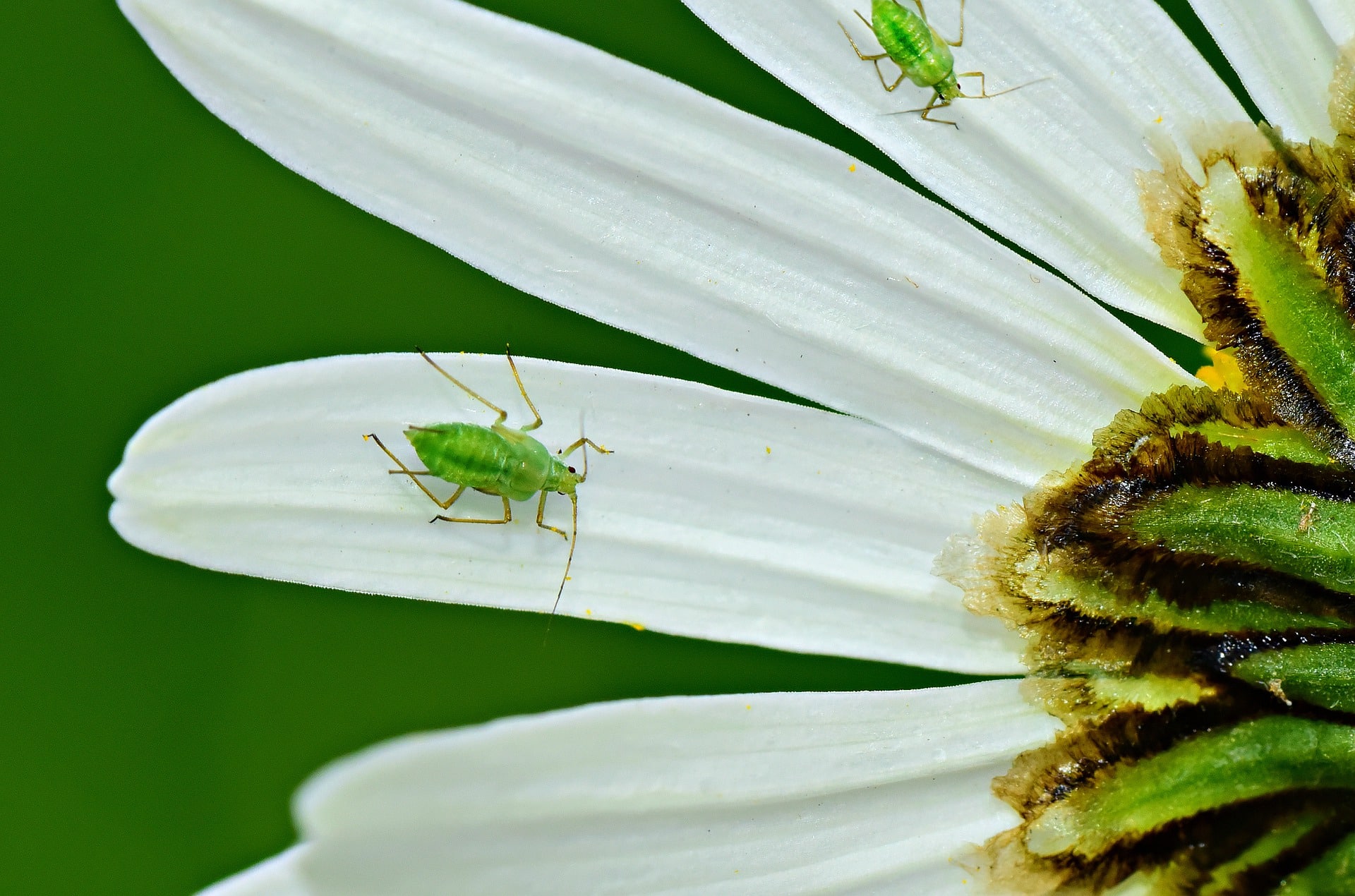
Aphids
Aphids are one of the most destructive insects. Not only do they suck precious plant sap from stems and leaves, they also excrete honeydew on leaves, which promotes fungus.
The best thing you can do is to encourage any ladybirds in the garden because they are the aphids’ natural predator. Aphids can also be removed from plant stems with a well-directed stream of water from a garden hose, or picked off with garden gloves. They can be killed by dropping them into a bucket of soapy water (along with any affected plant growth).
Now is the right time of year to take action before any aphid infestation has fully taken hold. This will protect growing plant shoots when they are at their most vulnerable.
Caterpillars
Winter moth caterpillars are among the most destructive pests. Females lay eggs between November and April on ornamental and fruit trees, as well as shrubs. When the eggs subsequently hatch out, leaves, fruits and blossom are all likely to be damaged.
It is important to be aware, however, that they are a food source for birds, beetles and hedgehogs. Therefore, if you do need to do something about them, try a grease band or tree barrier glue which will discourage the females from laying eggs.
Mice and Rats
The best way to keep rodemts out of your garden is to keep it neat and tidy, so there’s nowhere for them to hide. Check under garden sheds and decking where they might be hiding too. It is also important not leave any food scraps around (e.g. bird tables), which they could feed on.
Rats can’t survive without a water source, therefore they can be deterred by putting mesh over ponds, covers over drains, and making sure you don’t have any dripping taps outside. Mice are generally shyer than rats, but can still attack smaller plants or seedlings, so cover pots up with wire mesh.
At Madingley Mulch, we also sell traps, poison and bait to deal with any size of infestation.
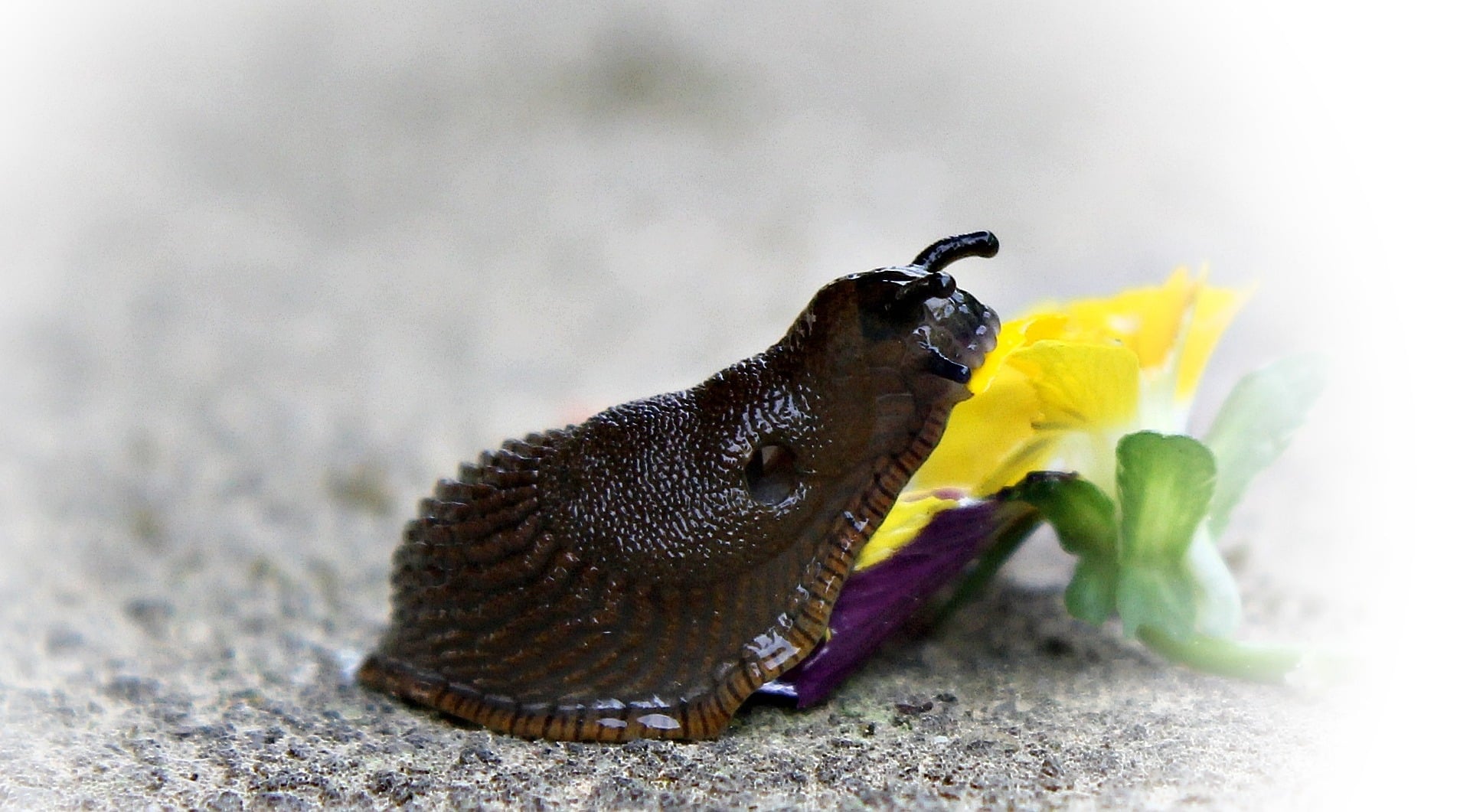
Slugs and Snails
These can do an enormous amount of damage, particularly to vegetables like lettuce, sweet peas and hostas. They can also eat holes in leaves, flowers, stems and bulbs.
Some herbs like chives and mint, plus other species like fennel and foxgloves actually deter them, so planting these next to vulnerable plants will provide some protection. These types of pests can also be removed by hand, or by more sophisticated methods such as beer traps (they can’t resist these) or copper tape, which can give slugs an electric shock.
In addition, you could consider installing a water feature such as a pond, because frogs and newts are natural predators of slugs and snails.
Don’t Forget to Mulch
Organic mulches, such as those made out of bark chips, can help deter some pests as well as suffocate weeds. However, they can also act as a home for others which can be harmful if they are allowed to get out of control.
So don’t lay your mulch down too thickly (3 to 4 ins should be deep enough) and make sure it’s replaced regularly. Also don’t lay your mulch down too close to your home, and leave the plant stems clear.
At Madingley Mulch we supply a wide range of mulches (including bark mulch), soil conditioners and composts to customers from our base near Cambridge. These include Denise’s Delight, an exclusive mix of Black Fen soil, manure and other plant nutrients.
Ask the Experts
It is important to remember that every pest should have its own predator, so by artificial intervention you could be upsetting the delicate balance of nature in your garden. For example, slugs and snails can act as soil conditioners, helping to break it down. Also pesticides can cause collateral damage to other insects and plants, even if that wasn’t what you originally intended.
If you need help you can talk to our friendly, experienced staff about your pest problem and we will be happy to advise you. We stock a range of pest control products as well as weedkillers. If you would like to know more, visit our online shop or call us on 01954 212144.
For larger orders, our current timescale from order to delivery is around two weeks. We are sorry for the inconvenience caused by any delays. We are trying to increase our fleet size on a temporary basis to assist our delivery capacity. You will be contacted by our shop staff the day before your delivery.
Top Tips on Dealing with Fallen Leaves
Fallen leaves are a problem which all gardeners face at this time of year – but what’s the best way to deal with them? Here Madingley Mulch, garden mulch suppliers based on the edge of Cambridge, offer some top tips on what to do about this natural ‘windfall’.
Rake Them Up
You should always leave your lawn clear of leaves. Left unattended, they will create the perfect conditions for mould to thrive. A leaf-free lawn will also ensure the grass will grow more healthily in the springtime. Collect up the leaves with a high-quality universal rake or a leaf blower.
You should also keep leaves out of ponds and other water features. This is because the leaves will eventually sink to the bottom, decompose and form an unattractive sludge, which will encourage algae and other unwanted plant growth. Consider covering your pond with wire mesh (particularly if it’s close to a tree) or removing the leaves regularly with a device such as a dipping net.
Leaves can be left to decompose in flower beds, but only in moderation. While they return valuable nutrients to the soil, too many of them will block out the sun and can encourage diseases in prolonged spells of wet weather. The basic rule of thumb is if you can’t see the plants for the leaves, then you’re going to have a problem.
Mow Them
The alternative is to leave your leaves where they are and effectively mow them into the lawn. Put your machine on its highest setting so the leaves are shredded into tiny pieces, which then decompose within the surface of the lawn, providing an excellent soil conditioner.
Use Them as Compost
You can also add the fallen leaves to your compost heap or bin. To gain the maximum benefit, ensure the leaves are moist (but not wet) and mixed with green material such as grass clippings or waste vegetable matter. The compost should then be turned over once a month to allow the oxygen to circulate and help with the decomposition. Over time the leaves and waste will break down into a thick compost which can be spread over your beds, providing valuable nutrients for your plants and flowers.
If you don’t have the problem of clearing up fallen leaves, or don’t have the time or space to create a compost heap, then you can still give your plants a boost. Madingley Mulch supply a range of soil conditioners, composts and mulches to gardeners across the Cambridge area which have proved highly effective in suppressing weeds and retaining moisture within the soil. These include Denise’s Delight and Tony’s Tonic, both of which contain a mix of horse manure, wood shavings and other plant nutrients.
Use Them as Insulators
Leaves make excellent insulators for colder areas of your home, such as basements, garages and garden sheds. Collect them up by whatever method you prefer, let them dry out and transfer them into bags. Packed tightly together, these will keep the immediate environment warm. Once winter is over you can still use them as part of a soil conditioner or compost.
Madingley Mulch – Garden Mulch Suppliers from Cambridge
As well as mulches, soil conditioners and composts, Madingley Mulch also stock a wide range of other outdoor gardening supplies. If you need any fencing, decorative stones or pebbles, edging, paving or patio slabs, then we are the people to contact. Follow this link to visit our online shop.
We offer free delivery on all orders within a 15-mile radius of our operation just outside Cambridge. There is a standard £20 delivery charge applied up to a radius of 24.5 miles, and we can also deliver further afield as well. Our weekly delivery routes include St Ives, St Neots, Huntingdon, Newmarket, Ely, Haverhill and Saffron Walden. Due to the coronavirus situation, we are currently aiming to deliver all orders within 2-3 weeks depending on product availability.
Encouraging Wildlife to Thrive in Your Garden this Winter
It can be tempting to clear everything away in your garden for the winter months – but while you have tidied up your plants and shrubs, what about the wildlife that lives there? They will be having a tough time coping not just with the lower temperatures but also the lack of food.
Madingley Mulch, suppliers of mulches, compost and soil conditioners to customers in the Cambridge area, have identified these key ways in which gardeners can help birds, amphibians, insects and small mammals to survive through the winter.
Feed the Birds
Birds really are gardeners’ feathered friends. They allow your garden’s eco-system to thrive, eating pests which damage your flowers and shrubs, and helping with plant pollination.
Leaving out nuts, seeds and fat balls will help most species to survive and thrive over the winter. It’s best to buy purpose-built feeders, as squirrels, pigeons and other creatures can all get to the food first if it’s left on a traditional bird table. Don’t forget to leave out a bowl of water too, as birds and other animals still need to drink even when it’s cold.
Beware of Iced Ponds
Figures suggest there are roughly 2 million garden ponds in the UK, and as well as being home to fish and amphibians they also provide other creatures with a reliable source of drinking water. However, if your pond does freeze over, not only does this source disappear, but the ice can cause a build-up carbon monoxide, methane and other gases in the water which can be potentially toxic to some forms of wildlife.
Melting a hole in the ice by placing a saucepan full of hot water on the surface will be a genuine lifeline to all the wildlife which uses the pond. You can also float a ball on the pond’s surface which will keep the water around it moving and making a freeze over less likely. You should avoid breaking the ice with a hammer, or pouring boiling water directly onto the ice, as this could send shockwaves through the pond which could harm wildlife.
Remember: Amphibians like toads and frogs also like to seek shelter in warm compost heaps, so take care when you turn these over.
Looking After Insects
Insects which don’t go into hibernation need ‘mess’ and flowers to survive the winter. The insects that do fly still need a source of pollen, so if you have any ivy don’t cut it back too hard as this is one of the few plants which flowers in winter. Other insects overwinter in the hollow stems of perennials, so don’t prune these too vigorously either.
Leave out piles of rotting logs in damp or shady areas of your garden, putting fallen leaves in any cracks. This arrangement will provide shelter for centipedes, woodlice, beetles and other insects, as well as a valuable supply of food for birds.
Hedgehogs and Other Mammals
Hedgehogs will appreciate a supply of fresh water and food over winter. Dog or cat food is a good option, but you should avoid a fish-based recipe as well as milk or bread – all of these can upset hedgehogs’ stomachs or cause dehydration. Check bonfires before lighting them as these prickly creatures appreciate the warmth and shelter they offer.
Badgers enjoy lightly cooked meats, fruit, peanuts and cheese to supplement their diet. As well as nuts, squirrels also like sunflower seeds and chopped carrots, while mixed seeds can be left out for smaller mammals.
Don’t Forget to Mulch
Laying down some mulch on your flowerbeds – or replenishing an existing layer – will also help wildlife. It is a ready-made breeding ground for stag beetles and other small insects. As the materials break down and decompose, they will enrich the soil and nourish your plants at the same time.
At Madingley Mulch we supply a range of composts, mulches and soil conditioners from our base on the outskirts of Cambridge. These include Denise’s Delight and Tony’s Tonic, which – thanks to their mix of wood shavings, horse manure and other nutrients – have proved highly effective in helping plants flourish all the year round.
Soil Conditioners, Mulches and Compost from Madingley Mulch
As well as soil improvers, Madingley Mulch stock a wide range of other gardening, landscaping and building supplies for the keen horticulturalist. These include aggregates, decorative stones and cobbles, paving slabs, fencing and turf.
You can visit our online shop by clicking on this link. We operate a weekly delivery service, and this is free if you live within 15 miles of our base on the outskirts of Cambridge. If you live up to 24.5 miles away, then a standard £20 charge applies, and we can arrange deliveries further afield as well. At the moment, we are aiming to deliver all orders between two and three weeks of them being placed.
Five Top Gardening Trends for 2020
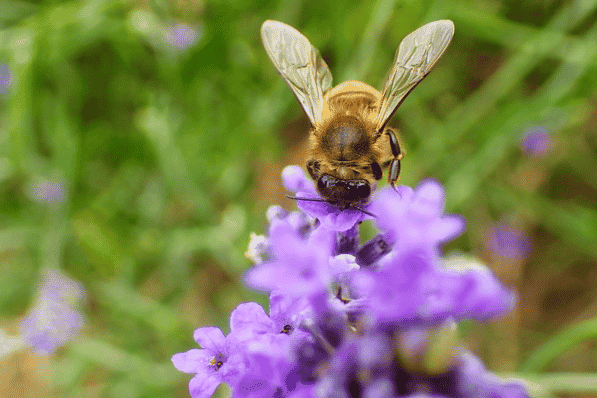
Spent mushroom compost Herts – outdoor gardening supplies
It’s that time of the year again when gardeners all across the country are planning for the year ahead. But what plants and features should you be looking to include as we enter a new decade?
Madingley Mulch have put together some of the key features that experts are forecasting to be popular with gardeners in 2020 – the emphasis this year very much being on eco-friendly solutions.
Popular Pollinators
We are all aware of the importance of the bee and other pollinating insects. So this year horticulturalists believe that plants that encourage insects to pollinate such as lavender and rhododendrons will be popular. In addition, marigolds and sunflowers which support ladybirds and lacewings, and deter aphids, will also help gardeners protect their prized plants.
Because insects thrive under log piles, in ponds, and in other similarly ‘wild’ environments, this year will see many gardens become a lot less neat, and more a reflection of natural habitats.
Growing Your Own
With global warning an ever increasing problem at home and abroad – last winter saw record temperatures of over 20C and heavy snow in the UK alone – 2020 will see us all try to cut our carbon footprints. One great way of doing this is to grow your own food.
As a consequence of modern tastes will see more chillies chickpeas and lentils grown in vegetable patches this year, alongside more traditional choices such as beans and peas. This drive to produce more of our own food will see more salad vegetables and herbs in our gardens too.
Natural Soil
With the numbers of native insects and some wildlife in decline, fertilisers will become less popular in 2020. As gardeners seek more natural ways of protecting their plants and support their growth, composts and soil conditioners are forecast to become more popular.
Spent mushroom compost – which Madingley Mulch supplies to gardeners in Herts, Cambrigeshire, Suffolk and Essex – is an organic way to improve the heavy clay soil that is typical in East Anglia. You can also suppress weeds organically by using products such as Denise’s Delight and Tony’s Tonic, both of which are exclusively available from Madingley Mulch.
Think Big Indoors
According to the Royal Horticultural Society there will be other trends not driven by the environment. With houseplants set to move off from narrow windowsills and into more central and showpiece locations in our homes.
Moving away from the windowsill will allow indoor gardeners to grow bigger, with supersized varieties of plants such as alocasia and monstera possible choices.
Making Maximum Use of Space
With this year’s drive to help the environment and cut our effects on it, it is more important than ever to make the most of the space in our gardens – even smaller plots. And one untapped area is our fences. That is why this year will likely see an emphasis on growing vertically, either using terracotta planters attached to fencing panels or trailing plants growing up them.
More and more people are using their gardens as extension of their homes too, with extended patio and courtyard areas, and 2020 is likely to see an increasing trend for outdoor ovens and ranges to replace barbecues.
Outdoor Gardening Supplies from Madingley Mulch
As well as soil conditioners and other natural and organic solutions such as spent mushroom compost. Madingley Mulch also offers a range of other outdoor garden supplies including garden patio slabs and fence panels to customers in Cambridge, and across East Anglia.
If you place a large or bulky order we will deliver free of charge within 15 miles of our base on the outskirts of Cambridge, and a delivery charge of £20 applies within a 24.5 mile radius, which includes places such as Ely, Huntingdon, Newmarket, Saffron Walden and Royston. We can also deliver further afield if you require.
If you want some assistance in making your garden more environmentally friendly and maximising what you can grow, contact us.
The First Garden Jobs for the New Year
soil conditioners Cambridge – outdoor gardening supplies
All gardens need a little maintenance throughout the year, and in the winter that includes planning for the year ahead, checking boundaries and pruning.
Although the garden might be the last place you want to be in winter, there are plenty of jobs which you could and should be doing early in the New Year to ensure all your horticultural dreams come true in the months ahead.
Plan the Year Ahead
January is a good time of year to start planning a new garden or review your existing one. Think about every aspect of your garden, including wall breaks and barriers, garden furniture, new beds and borders.
Work out what you want to plant and where and order any seeds or bulbs that you can start planting in the spring.
If your soil isn’t particularly fertile, you can improve its quality by buying our exclusive garden compost and soil conditioners for the garden. Tony’s Tonic is a well-rotted manure that acts as a great winter mulch and Denise’s Delight, a rich blend of soil and compost ideal for use in raised beds. Both products will give your plants a boost and a greater chance of thriving. Tony’s Tonic is a form of compost that can be spread over the soil and is also great for growing roses.
Check Your Boundaries
The winter often means the worst of the weather including snow, ice and rain. If you do have any snow, it may leave everything looking dishevelled. This is a good time to replace or re-attach any loose panels, roofs, posts and fences and create windbreaks to protect plants.
The first thing to do is check all your main garden boundaries including any fences and walls that scale the perimeter of your garden. Make sure they haven’t been damaged by high winds and heavy rain. You can fix fences with bits of wire netting, to keep them sturdy all year-round.
Your hedges can also be affected by the bad weather, especially any heavy snowfall. Brush off any snow or ice as soon as possible. An effective way of protecting any vulnerable hedges, where necessary, is to cover them in protective wrapping and apply a thick layer of mulch at the base, to prevent the foliage from going brown. The thick layer of mulch will help to hydrate the plants and keep them warm.
There’s Still Some Pruning to Do
January is an appropriate time for tidying your garden and getting some pruning done. Apples and pear trees should be cut back now while they are still dormant. You can recycle your cut trees by shredding them for mulch or compost ready for the spring. Rose bushes should also be cut back to just above the buds and any dead branches removed.
Climbers such as wisteria and ivy will also need to be pruned and cut back to prevent any damage to walls and other nearby plants. This applies to all shrubs before the sap starts to rise and the buds break. Something else to remember is to cut down flowering perennials to ground level, which will help them flourish in the warmer months.
Feed the Birds
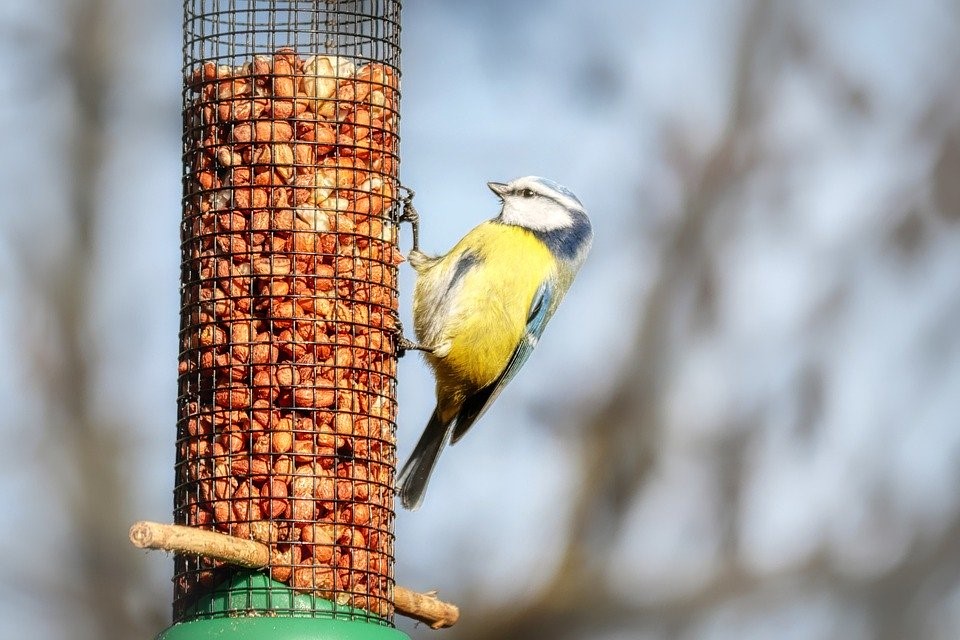
It’s important to put additional food and water out throughout the year, but particularly in the winter, to help make a significant contribution to supporting wildlife over the winter. Birds are every gardener’s best friend, as they help the local eco-system to thrive, assist with the pollination of plants and deter pests which can destroy your glorious garden. This will also help attract a wide variety of birds such as finches, robins to your garden and encourage those species which have not migrated to stick around.
Leave out bird tables and feeders at adjustable heights and place them in sheltered locations out of the most severe winds.
You may also want to keep some areas of your garden wild and undisturbed to ensure there are plentiful supplies of insects for the birds to feed on in the winter months. Birds will appreciate nuts, seeds and fat balls left out for them this winter.
Clean Your Tools
Cleaning your tools may not the most glamorous of jobs, but you need to be sure when the weather does improve you are ready for work in the garden. Remove all mud and leaves from spades, forks and rakes and oil from moving parts.
All pots, water butts and greenhouses should also be kept clean and clear of any debris. If you have any decorative plant pots that are not frost-proof, then empty them of soil and store them in your shed or greenhouse.
Ordering Your Outdoor Gardening Supplies from Madingley Mulch
Madingley Mulch are based in Cambridge and can meet all your gardening needs. We are leading suppliers of compost, garden mulch, soil conditioners, fence supplies and trellis fencing to customers in Hertfordshire, Essex, Suffolk and Bedfordshire. To see our full range of products, click here.
Any online orders can be delivered free to destinations within 15 miles of our base on the edge of Cambridge, and there is a standard £20 charge for all destinations within 24.5 miles. Every week our delivery routes go to Ely, Cherry Hinton, Newmarket, Huntingdon, St Ives, Duxford and the surrounding areas.
The Best Plants to Grow in Your Garden in Autumn

Just because the peak summer growing season is over, it doesn’t mean that gardeners can afford to put their feet up and relax. Autumn is a critical time of year for planting, whether for the remainder of this year or to give yourself a head start in the spring.
Madingley Mulch supply high-quality garden compost, soil conditioners and mulches to customers in Suffolk, Cambridgeshire, Essex and Hertfordshire. Here identify some of the key varieties of trees, shrubs, flowers and vegetables which you should be looking to grow at this time of year.
Late Flowering Plants
If you want to extend your garden’s growing season, then you could plant sedum and chrysanthemum around now. Other plants which flower late in the year include heathers, dahlias, cyclamen and pansies.
You can also encourage certain flowers to grow earlier than their natural season by a process known as ‘forcing’. If you keep the bulbs in an unheated indoor location, such as a cupboard, shed or garage, then the plant thinks it is winter. When it is then moved to a warmer location, it will start to bloom. Ideal candidates for this type of treatment include hyacinths and narcissus and it should give you an array of colourful blooms in time for Christmas.
There are a number of flowers which you won’t see the benefit of until spring, but which should still go into the soil now. Daffodils, geraniums and delphiniums can be sown directly outdoors, while violas and lupins should be planted under a protective frame or tunnel to ensure they survive.
Vegetables
If you do want to make use of your vegetable patch now, then most of what you plant will be for early spring consumption, such as onions, shallots, garlic and broad beans. You should be guaranteed a nice early crop of tasty veg if you start work now.
However, some types of lettuce and spinach are hardy enough to survive early winter frosts, and they make ideal features for a winter salad. It may be safer to grow them under cover or in a greenhouse.
Trees and Shrubs
Autumn is the ideal time to plant most trees and shrubs, because their roots should find it easy to establish themselves in warm, moist soil which is neither too wet nor too hard or dry. You also won’t have to do much maintenance or watering.
Japanese maple trees are at their most spectacular at this time of year, and they can be grown in smaller gardens or pots. If you are looking for something bigger, a beech tree will give your garden plenty of autumn colour. They can cope with virtually any pH or soil type, including the high-alkaline clay soil which is common in the east of England. But make sure you have enough space for one to grow in the future.
Shrubs which can safely be planted at this time of year include the berberis or barberry, and the English holly, which will ensure you have plenty of Christmas decorations over the festive period.
Lay Down Some Mulch
Whether you are planting flowers, vegetables, trees or shrubs in your garden this autumn, they will have a much greater chance of flourishing if you prepare the bed or soil with a mulch or soil conditioner. This will protect the plant from the harshest of frosts, as well as suppressing any weeds which will be competing for the soil’s valuable nutrients.
At Madingley Mulch, we supply a range of soil conditioners, mulches and garden compost to customers in Suffolk, Cambridgeshire, Hertfordshire and Essex. Our exclusive products include Denise’s Delight and Tony’s Tonic, which both contain a rich mixture of horse manure, wood shavings and other plant nutrients and will give your plants the best possible start in life.
Outdoor Gardening Supplies from Madingley Mulch
If you need any autumn gardening advice, then our friendly, experienced staff at Madingley Mulch will be happy to help. As well as our extensive range of soil improvers, we can also supply a wide range of gardening accessories, building materials and decorative stones and paving from our base on the edge of Cambridge. To visit our online shop, simply follow this link.
If you have a big order, then we offer a free delivery service to all addresses within 15 miles of our store. If you live up to 24.5miles away, then there is a standard £20 charge, and we can deliver to addresses further away as well. There is a minimum order spend of £40 if you need a lorry delivery. Our weekly delivery service goes to Royston, Cambridge, St Neots, St Ives, and many of the other major towns and villages in the region.
Five Top Tips for Effective Weed Control

Weeds are the bane of any gardener’s life – not only do they look unsightly, but they also can inhibit the growth of your flowers and shrubs by depriving them of valuable soil nutrients.
Madingley Mulch provide a wide range of gardening supplies to customers in Bedfordshire, Hertfordshire, Essex and Suffolk, as well as our home county of Cambridgeshire. Here are our top five top tips for keeping weeds under control.
Don’t Forget to Mulch
Mulches will stifle the life out of any weeds by depriving them of light. Organic mulches, such as those containing bark or wood chips, are particularly effective, as they are an ideal habitat for beetles and crickets. These insects feast on weed seeds just below the surface of the soil and prevent them from germinating.
You should always top up your mulch so it is at least 10cm (4in) deep, as this will smother established weeds. And leave a small gap around your plants, as some can be damaged by direct contact with the mulch.
Madingley Mulch supply a wide range of mulches, soil conditioners and composts which will help your plants to grow. These include Denise’s Delight and Tony’s Tonic, two exclusive products which contain horse manure, wood shavings and other effective plant nutrients.
Mind the Gaps
Weeds flourish in the gaps between plants, so crowd them out. Mass plantings of closely-spaced flowers and shrubs will be far more effective than a lot of widely-scattered ones. However, don’t be tempted to put them too close together. Remember that your plants will be competing for the same soil nutrients, and there is also a risk that you could transmit diseases from one plant to another.
Don’t Dig Too Deep
Many weeds grow from seedlings in your garden soil – but only those within an inch or two of the surface get enough light to germinate. So if you do dig out a pesky plant, all you might be doing is creating the conditions for others to thrive. Uproot them where possible, rather than digging them out, and cover the disturbed area with mulch or a new plant.
The best approach to take will depend on the weather. As the old saying has it, ‘pull when wet, hoe when dry’. So, after a spell of rain, the damp soil will allow you to uproot some weeds far more easily. However, if you have had a spell of sunny weather, then running a hoe over your bed or between rows of plants will kill most seedlings. Ideally, do this on a dry day with light winds, as the weeds will dry out on the surface of the bed rather than re-rooting themselves into moist earth.
Lawncare
Weeds growing in your lawn create a different set of problems. Regular watering, particularly during the summer, and some vigorous raking or scarifying beforehand, will help your grass grow and make it more difficult for weeds to compete for the soil nutrients. Madingley Mulch also supply a lawn top dressing mix to feed the roots of your grass.
However, persistent plants such as dandelions and daisies can still cause problems. These should be removed with a hand fork, making sure you pull out all of the root, and then reseed or returf the bare patches if necessary. The best time to do this is usually in the spring or autumn, when the soil is neither too damp nor too dry, as this provides the ideal growing conditions for the new grass seed or turf roots.
A Helping Hand
You can make your life – and your plants’ lives – easier with some artificial assistance. Weedkiller, such as Round-Up, supplied by Madingley Mulch, will kill the majority of all these unwanted plants with just one application.
We also supply Groundtex, a high-quality garden membrane which will help suppress the most stubborn of weeds, and won’t get damaged by animals. You can also use it as a sub-base for a patio and other building works, and for general ground stabilisation.
Gardening Supplies from Madingley Mulch
Whether you want mulches, composts, or other specialist products such as a weed suppressing membrane or a lawn top dressing mix, gardening supplies specialists Madingley Mulch are the people to call.
We can deliver your order whether you live in Bedfordshire, Hertfordshire, Suffolk, Essex or Cambridgeshire – this is free to all addresses within 15 miles of our base on the edge of Cambridge. If you live within 24.5miles, then a standard £20 charge applies, and we can also deliver further away as well. Follow this link if you would like to learn more about our delivery services.
How to Create a Pet-Friendly Garden

Many families love their pets just as much as their gardens, but the two don’t always go together well. Pets can do a lot of damage to plants, and vice versa – dogs and cats could eat flowers and shrubs which may be potentially poisonous.
Madingley Mulch supply soil conditioners to customers in Cambridge and the surrounding area. Here are our top five key factors to consider if you want your pets and your plants to thrive alongside each other.
Deter Animals Digging
One of the most frustrating experiences for gardeners can be to find that a prized flower bed has been dug up by your dog or cat, or by the neighbours’. Bare ground is an open invitation for animals to dig, so make sure your plants are protected in some way.
Slate chippings should deter the most active of cats and dogs. Mulches, such as Denise’s Delight, our exclusive mixture of Black Fen soil, horse manure and other plant nutrients, can also be used, with a covering of wire underneath for added protection. It’s advisable to check that your mulch doesn’t contain any ingredients which could be harmful to animals before you spread it over your beds. The same advice applies to any pesticides and fertilisers you use.
Think Big
Small, delicate flowers are more likely to be damaged by animal claws than medium-sized trees, shrubs and perennials. Viburnum, shrub roses and lavender are all sturdy plants which should be able to withstand dogs and cats running through them.
Another possible solution is to add a stone pathway at the back of the bed you have just planted out. Since dogs are instinctively drawn towards the boundaries of any garden, this should ensure any new flowers don’t get trampled.
Create Special Areas
Your cat or dog is much less likely to damage your flowers and shrubs if they are actively encouraged to use another part of the garden. In the case of dogs, consider creating a sheltered ‘digging zone’, complete with a favourite toy or two, where they can enjoy themselves.
Cats should be provided with plenty of places to climb, as well as an outdoor litter tray or patch of sand so they don’t use your beds as a giant toilet. And make sure they have somewhere to sharpen their claws like an old log. If you have plenty of places to hide, it will make them feel safer and more secure, particularly if your neighbours have cats of their own.
Add Fences for Safety
Smaller pets, such as rabbits and guinea pigs, benefit from being allowed a run-around in the garden every so often, rather than being confined to their hutches. Make sure there aren’t any holes in your fences or gates, as you will be surprised at how easily they may be able to squeeze through them. And remember that medium-sized dogs can jump at least 6ft high if you are buying a fence for your back garden.
Fences also protect vegetable gardens, ensuring that your crop won’t be damaged either by your own pets or a neighbour’s. Ponds and should also be fenced off and tool sheds locked, to prevent your animals – and any young children – from coming to any harm.
Plant Healthily
Your rabbit will love you if you have a plentiful supply of green vegetables and carrots, so why not grow your own? If you have a tortoise, then don’t feel you have to pull up all the dandelions, as they love grazing on these plants.
For times when your dog is suffering from any form of nausea or indigestion, then plant some peppermint for them to nibble on and you should find that their stomach problems will soon be eased. Equally, many common plants, including chrysanthemums, daffodils, foxgloves and hydrangeas, are potentially poisonous for your canine companion, so take care about planting these.
Cats go wild for the scent of catnip and catmint, but you should avoid planting them if you don’t have a moggy and your neighbours do – otherwise you could suddenly find your garden suffering from a feline invasion.
With Madingley Mulch
Soil conditioners specialists Madingley Mulch can help you if you want your garden – whether it’s in Cambridge, Essex, Suffolk, Bedfordshire or Hertfordshire – to become more pet-friendly.
We supply slate chippings, sand, fencing panels and posts, as well as a wide selection of mulches and composts. Our friendly, experienced staff will be able to advise you on which products will be safe to use if your house is also home to a pet or two. Follow this link if you want to know more about our current range of products.
We deliver free to all addresses within 15 miles of our base on the outskirts of Cambridge, and there is a standard £20 charge for all addresses within 24.5 miles. Deliveries further away can also be arranged. Our weekly delivery service goes to Ely, Newmarket, St Ives, St Neots, Haverhill, and many other villages and towns in the region.
Five Top Tips for Making Your Patio Stand Out
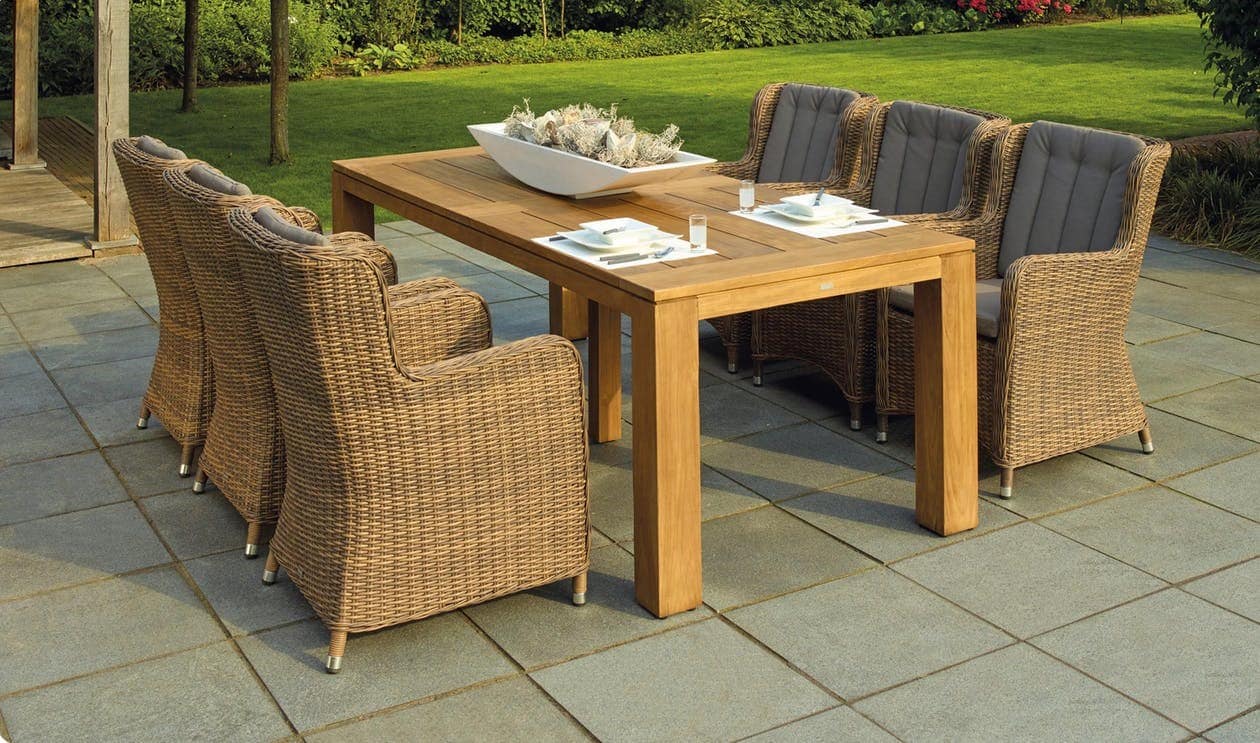
In the summer, everyone likes to spend some time outside in the garden. A patio can act as an outdoor living space where you can eat, read and relax in the fresh air – and it becomes even more enticing if you add a few finishing touches to make it look distinctive.
Madingley Mulch supply patio paving slabs and many more gardening products from their base on the outskirts of Cambridge. Here we have come up with these five top tips to help make your patio stand out.
Use Different Colours
Colour is an easy way of brightening up your patio, so give your existing furniture a fresh coat of paint with a bold colour like blue or red, or a summery yellow or orange.
The patio slabs themselves don’t have to be a uniform shape or colour. For instance, Madingley Mulch’s Indian Sandstone and Premier Riven slabs are both available in a variety of colours. The former come in Raj, Camel, Mint and Grey, while the latter are available in Dark Grey, Natural, Stone and Red.
Pick Your Potted Plants
Your patio can be used as a miniature garden, courtesy of some well-placed pots and containers. If you are using your patio as an outdoor dining room, then you can grow many of the ingredients on site – kale, cherry tomatoes and salad leaves can all be grown in pots, and many cooking herbs will flourish with enough sun.
If you just want colour, then petunias and marigolds will thrive, provided it’s warm enough. Honeysuckle and jasmine can also be trained to grow up trellises on the edge of your patio.
Even shady corners of your patio can be used to good effect, as hostas, hollies and busy lizzies won’t need much sun and will provide a lush and leafy area.
Light It Up
You don’t need to rely on your house’s lights, or call in an electrician, to illuminate your patio. Lanterns and solar-powered lamps will create some interesting effects and will allow you to maximise the use of this space, enabling you to entertain family and friends to evening meals and drinks and meaning won’t be restricted to using it during daylight hours only.
Be Radical with your Furniture
White plastic chairs and tables might be the most popular choice, but there are also many other more individual options for patio furniture. For example, large plant pots can be turned upside down and used as stools, while sawn-off wooden logs can be used as benches.
Wicker and rattan sofas, and outdoor sun loungers will encourage people to linger on the patio more than a set of straight-backed chairs. A canopy will provide plenty of shade and protect your furniture from the worst of the British summer weather too.
Have a Big Focal Point
Too many plants, whether they are in containers, or planted directly into the soil, can make your patio seem too busy. Having a single large tree or shrub as a focal point will give your outdoor space a real sense of purpose. And it doesn’t need to be a natural feature, either – any unusual item such as a statue or a firepit will serve just as well.
Patio Paving Slabs from Madingley Mulch
Madingley Mulch supply patio paving slabs to customers in Cambridgeshire, Essex, Suffolk, Hertfordshire and Bedfordshire. As well as our Indian Sandstone and Premier Riven varieties, we also stock more traditional alternatives, including Old Grey Courtyard Paving, Rutland Oakham and Textured Paving. Follow this link to see our full range.
If you are building a patio from scratch, then our friendly, experienced staff will be happy to offer advice on how to go about it. And we offer free delivery on all our orders within 15 miles of our base on the outskirts of Cambridge. For orders within 24.5 miles there is a standard £20 charge, and we can also deliver to addresses further away as well. Our weekly delivery service goes to St Neots, St Ives, Huntingdon, Royston, Haverhill, Saffron Walden, and many other towns and villages in the region.
Which Decorative Stone is Best for your Garden?
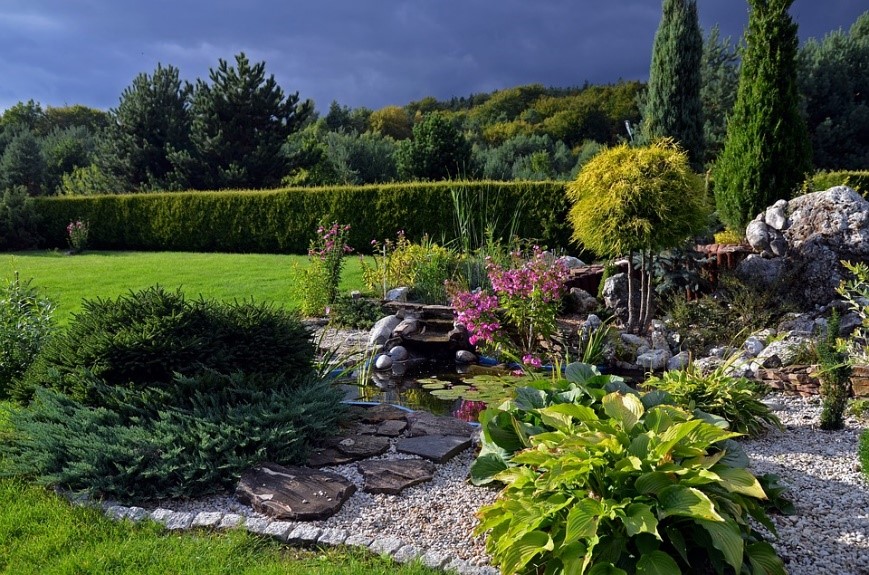
One of the key ways in which you can make your garden stand out is by introducing adding decorative stones to it. But there are plenty of different varieties to choose from – so which one is best for you?
Madingley Mulch supply decorative garden stones to customers in Hertfordshire, Cambridgeshire, Essex, Bedfordshire and Suffolk. Here we look at some of the main advantages that each type can offer.
Slate Chippings
If getting weeds under control is your priority – perhaps because you want a low-maintenance garden – then slate chippings are an excellent choice. They effectively act as a form of mulch, suppressing the unwanted plants at source, while also retaining moisture for the flowers and shrubs you do want to encourage. However, because the slate doesn’t have any organic content, it won’t work as well as a traditional mulch.
Gravel
This comes in all shapes and sizes, and it has a variety of different functions. For instance, smaller types such as pea gravel will drain very effectively if you use it as a form of mulch in flower beds and pots.
However, the smaller stones can shift about underfoot and under car wheels as well, which means it is less suitable as a base for a path or driveway. A more substantial type of stone, such as granite chippings, is a better choice in these circumstances, as the stones are larger and more irregularly shaped.
Pebbles and Cobbles
These rounded stones have a smooth finish which makes them a stylish, attractive addition to any garden. They can be used as part of a rock garden or rockery, or as infill in more conventional flower beds.
Pebbles and cobbles will also help protect your plants, as they will deter people from walking on them. Pets, particularly cats, are less likely to dig them up or use them as a toilet than they might do with a conventional mulch or gravel.
Larger Rocks and Boulders
Larger stones, rocks and boulders are an extremely versatile and durable ingredient for many gardeners. If you find that part of your garden is a ‘no-grow’ zone, maybe because it doesn’t get much sun or the soil quality is poor, then buy a few large rock or boulders and you have the starting point for a rockery or alpine garden. The stones will survive in all weathers, and they will also act as a shelter for any plants you do introduce in and around them.
You can also use these larger stones in a more functional way. For instance, you can arrange them to keep items such as waste bins and hosepipes hidden from view, as a boundary to divide up one part of your garden from another, or as part of a safety feature such as a pond wall.
Decorative Garden Stones from Madingley Mulch
At Madingley Mulch we can supply a wide selection of decorative garden stones to customers in Hertfordshire, Suffolk and Essex as well as our home county of Cambridgeshire. These include 20mm and 40mm slate chippings in blue, plum and green. Our range of gravel includes 6mm horticultural grit and shingle, 10mm blue stone and gravel, 20mm charcoal stone and golden gravel, and green or pink/grey granite chippings.
We also stock a selection of associated products, such as weed suppressant membranes and crushed limestone and pure granite, which you can lay down as a sub-base layer underneath larger stones and cobbles. Follow this link to check out our full range of products.
If you do want to place a substantial order for some of our decorative stones, we offer free delivery to all addresses within 15 miles of our base on the outskirts of Cambridge. There is a £20 charge to all locations within 24.5 miles, and we can deliver further away as well. Our regular weekly delivery service operates in Haverhill, Saffron Walden, Comberton, and many other towns and villages in the area.