
Delivery and discounts are calculated prior to checkout.
Visit our Garden, DIY & Building Materials Shop
- Mon-Fri: 7:00am-5pm
- Sat: 7:30am-12:00pm


Your local supplier of ready mixed concrete

Joining the Fruit and Vegetable Revolution
This article looks at the rise in the number of people who are choosing to grow their own fruit and vegetables, particularly the younger generation and millennials. There’s a look at some of the statistics underpinning this trend, and some hints on how to create your own vegetable patch, even if it’s in a relatively small space or in an artificial environment such as a pot or raised bed.
This article will take around four minutes to read.
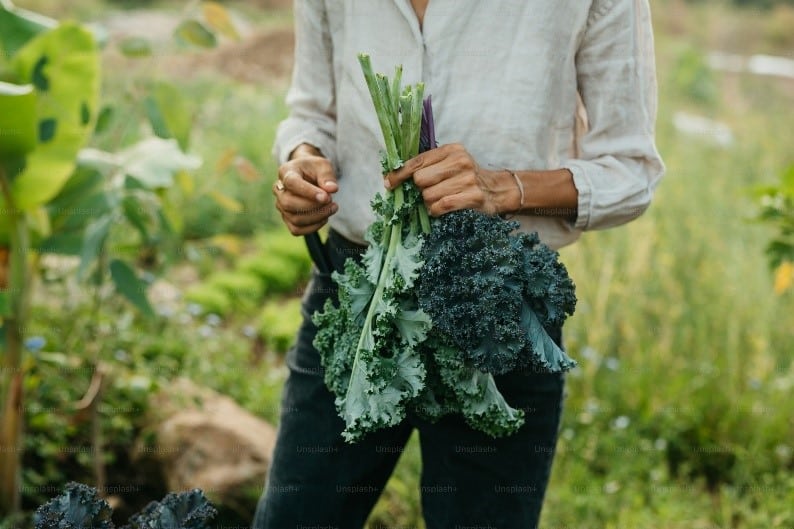
Gardening is a growth industry, in more ways than one. The Covid-19 lockdowns rekindled many people’s love of outdoor spaces, and in some cases introduced them to the joys of planting and pruning. The younger generation, and particularly millennials, were among those who started growing their own plants, especially fruit and vegetables.
Madingley Mulch supply spent mushroom compost to customers in Suffolk, Essex, Hertfordshire and our home county of Cambridgeshire. Here we pinpoint some of the other reasons behind the trend, and how mulch should be one of the key ingredients if you want to grow your own.
Soil Conditioners and Improvers from Madingley Mulch
At Madingley Mulch, although we don’t stock any fruit or vegetable plants, we do have a range of soil conditioners, mulches and composts at our base near Cambridge; all of these should help you grown your own produce. You can find them all in our online shop here.
The Statistics
One poll, which was conducted after the Covid-19 lockdowns, found that (out of 2,0000 16-35-year-olds) 83% of young people thought gardening was ’cool’ and 54% would go to a garden centre rather than a nightclub.
More recent surveys of garden centres reveal that millennial customers (that is, those aged in their mid-20s to 40s) have increased by as much as 65%, while the Gen Z customer base (those born between 1997 and 2012) has grown by more than 40%.
Surveys also show around one in three people in the UK grow their own fruit and veg – and 43% of these are under the age of 40. All these figures underscore the importance of adapting to the needs of younger consumers, who are quickly becoming the driving force behind the gardening market.
Why The Shifts?
Young people increasingly see gardening as a rewarding activity which is good for your mental health – particularly after the lockdowns. Cost of living pressures mean there are even more reasons to grow your own fruit and vegetables. The British Retail Consortium said their prices rose by an average of 30% in the 12 months to February last year, citing climate change, rising fuel costs and supply chain issues as the main reasons.
In the case of millennials, there are usually additional pressures on their income, such as the need to pay off student loans as well as meet mortgage repayments (or to save for a house deposit).
Fresh vegetables also offer home-grown nutritional content and improved taste – in contrast to shop-bought plastic-wrapped supermarket alternatives. The younger generations are more aware of the need to source products responsibly and sustainably, and there are few better ways of doing this than growing it in your own garden.
And getting out and about in the garden is a great way of banishing the winter blues. Spending time outdoors on a bright, crisp winter day allows you to soak up valuable, limited natural sunlight, in the form of Vitamin D. This can improve your mood and energy levels.
Even indoor gardening can help – plants such as herbs help purify the air, provide a connection with nature, and have the potential to brighten up a drab room.
Growing Your Own in Small Spaces…
What if you want to take part in this growing trend, however old you are? Even if you have a relatively small space to work with, a little time and patience will bring its rewards. Using raised beds is one solution for very small spaces; they are compact, and they can also help you maximise your fruit and veg yield. This is because it’s easier to can control (and improve) the soil quality in a confined space like a raised bed.
Growing upwards will also help if space is at a premium; tomatoes, cucumbers and climbing beans are ideal in this respect. You can also grow carrots and beetroot in pots, and there are many other dwarf varieties of fruit and veg which can be grown from seed and don’t need much space even when fully grown.
…and in Larger Spaces
If you have your own patch, begin by preparing the soil. You can turn the top layer with a shovel or rotovator, then weed it thoroughly before you start planting.
Sow your seeds in neat rows, a foot or so apart. This means you shouldn’t tread on them as you cultivate them. You won’t need any clever space-saving techniques, and you will find that whatever seeds you plant grow quickly with sunshine and regular watering.
Remove any dead leaves and deal with any potential insect infestations. Work out a schedule of what needs picking when and plant more things out when you’ve picked the first crop to create a rotation.
Our home county of Cambridgeshire, known as part of the Fenland agricultural heartland, produces plenty of staple crops including potatoes, celery and salad leaves; popular fruits include apples, pears and plums.
If you want to grow your own fruit trees, read our previous blog post here for some top tips.
Improve Your Soil Quality
One common denominator – whatever type of fruit or veg you are growing, and wherever you are growing it – is the need to have a good quality soil. As the East of England is rich in clay, you may need a natural helping hand; clay isn’t very fertile as it’s very slow to drain and prone to becoming waterlogged.
Our 6mm horticultural grit will help break any clay soil down, while our spent mushroom compost and our two exclusive products, Tony’s Tonic and Denise’s Delight, will all help as they add valuable nutrients to the soil. For our full range of soil conditioners and improvers, click here.
If you have any questions about which one is best for your plot, you can always call us on 01954 212144, or email shop@mulch.co.uk
FAQS:
Q: Why is spent mushroom compost so good for the soil?
A: Spent mushroom compost is a by-product of the mushroom growing process and contains composted straw and well-rotted animal manure. This improves the structure of the soil by making it easier for air, water and nutrients to get to your plants more easily, aiding the growth of your plants. (For more information, check out our previous blog here.)
Q: When is the best time to start work on a vegetable patch?
A: Late March and early April is the ‘sweet spot’ for most crops. However, you can start growing potatoes indoors as early as February. If you’re using a raised bed with our soil mixes, the soil often warms up faster than the ground, giving you a slight head start on the growing season.
Q: Can Madingley Mulch deliver your order soil-related order to you?
A: Yes, we can – we operate a sliding scale of charges, depending on how close you live to our base. For more details, see our deliveries page.
Back to blog