
Delivery and discounts are calculated prior to checkout.
Visit our Garden, DIY & Building Materials Shop
- Mon-Fri: 7:00am-5pm
- Sat: 7:30am-12:00pm

Your local supplier of ready mixed concrete

Using Mulch to Help Drought-Proof Your Garden
This article looks at why it’s so important to save water, given the ongoing threat posed by global warming and the rising cost of bills. Laying down mulch on your flower beds is one way gardeners can help themselves – and this blog also looks at the types of soil conditioners and improvers which Madingley Mulch can supply.
It will take around three minutes to read.
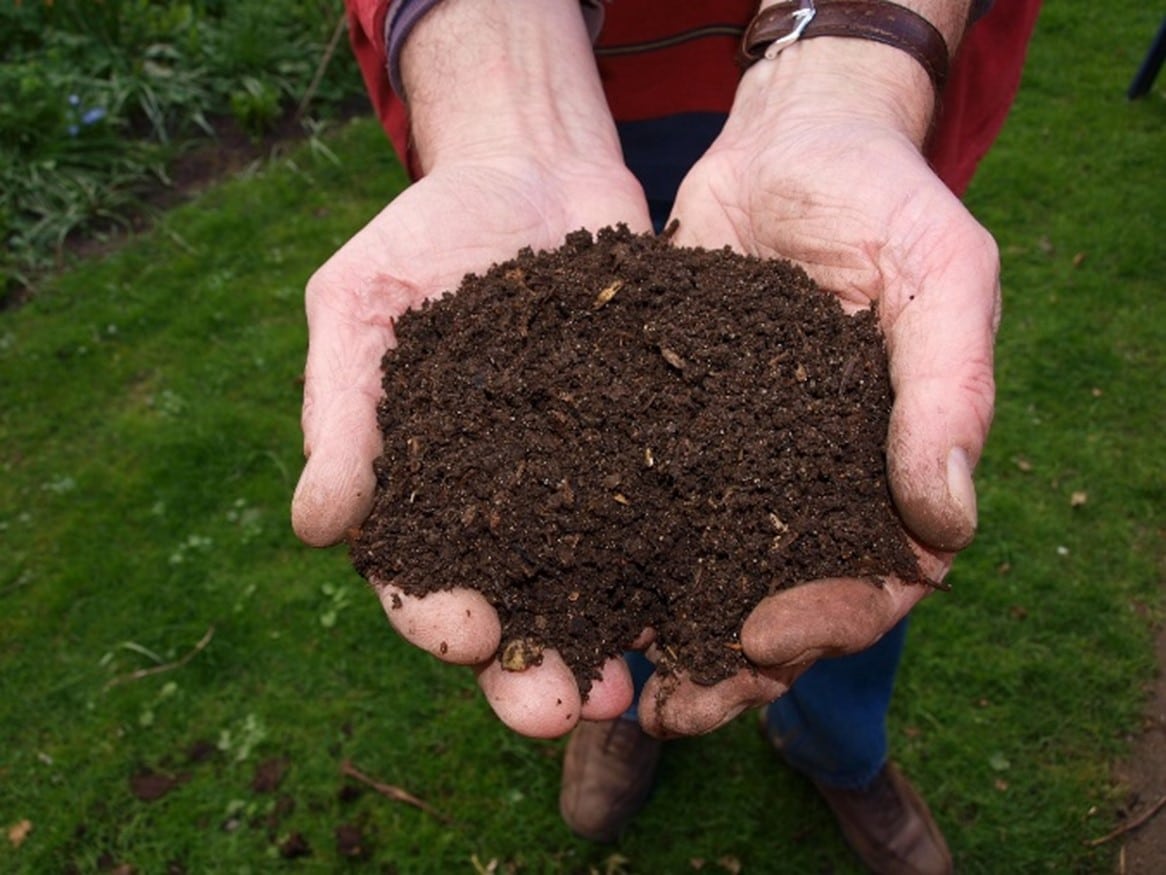
While water is a natural resource and covers 70 % of the planet’s surface, it’s also an increasingly scarce one. Reduced rainfall, increased demand (from industry and agriculture as well as the domestic market) along with infrastructure issues mean we should do whatever we can to reduce our dependence on it. One way is by using mulch, soil conditioners and compost in our gardens.
Soil Conditioners in Cambridge from Madingley Mulch
At Madingley Mulch we can supply many different types of mulch, soils conditioners (including topsoil) and composts. These will significantly the chances of your plants not just surviving any droughts, but flourishing – whatever the weather.
The Long-Term Forecast
Despite recent rains, many parts of the UK – and particularly the East of England – are still trying to recover from long-term drought conditions. Despite recent rainfall, the Environment Agency says that the drought situation across the country is still precarious following a record dry spring and a continued run of heatwaves and dry weather throughout the summer.
The fluctuating, windy weather forecast for early December can also lead to soil drying out quickly. In the longer term, the problem of global warming means there will be even more pressure on our water supply.
The 2025 Budget
Water conservation is a critical, long-term environmental and financial issue. Amid the ongoing uncertainty over water levels, the Budget strengthened consumer protection against under-performing water suppliers. This means additional investment in infrastructure and higher fines for polluters.
A number of water companies had TUBs (temporary use bans) in force during the year, and many of these have only recently been lifted. One of the key elements of these is a ban on hosepipe use – which obviously restricts how much gardeners can water their plants.
Budgeting Your Water and Achieving Geopolitical Resilience
One of the ways gardeners can avoid problems with a water shortage is by being as green as possible, and by not relying on hosepipes and sprinklers. There are a number of ways to achieve this.
For instance, you could use ‘grey’ or recycled water (such as from any washing up) on your plants. Having a water butt installed means you will have another natural water source to tap into.
You could also approach the problem from another direction, and that is to minimise the amount of water your plants need throughout the year – which is where soil specialists Madingley Mulch come in.
Using Mulch to Protect Your Plants in 2026
Mulch is both a financial and environmental saving measure. A thick layer of organic mulch (to a depth of three to four inches) has been shown to reduce water evaporation by up to 70%.
Using mulch will also guide your plants through the expected “up and down” temperature swings and to lock in the moisture from current winter rain, reducing the need for spring/summer watering.
For more advice on how to apply your mulch, check out our previous blog post here.
How Madingley Mulch Can Help
At Madingley Mulch we can supply mulches, composts and soil conditioners from our base on the outskirts of Cambridge. These include two products which are exclusive to Madingley Mulch, Tony’s Tonic and Denise’s Delight; both of them contain a mix of natural ingredients, including manure, and Fen soil, which should supply your plants with all the nutrients they need.
FAQs:
Q: What are the other benefits of mulch?
A: As well as retaining moisture, correctly laid mulch also helps to suppress weeds which would otherwise be competing with your flowers and shrubs for valuable nutrients. Organic mulch also helps to improve your soil’s overall structure. This is important in the East of England as most soil is rich in clay, which isn’t ideal for growing many different types of plants.
Q: What is the difference between mulch, compost and soil conditioners?
A: Mulch is a protective blanket laid on top of the soil, but it can be organic (such as bark chips) or inorganic (such as decorative stones or slate, which we can also supply). Compost is defined as decomposed organic material such as food scraps and other waste which can act as a mulch or be mixed into the soil.
Soil conditioner is a general term for anything organic or inorganic which can be mixed into soil to improve its structure. So compost, or organic mulch, are both types of natural soil conditioner.
Whether you want soil conditioners in Cambridge, spent mushroom compost in Essex or need mulch in Hertfordshire, Madingley Mulch will be able to help.
Q: Can Madingley Mulch deliver your soil order to you?
A: Yes, we can, either by bulk bag, small bag or weighbridge collection. There is a minimum order value of £50 and we operate a sliding scale of charges, which vary depending on how close you live to our base. For more information check out our deliveries page here.
Back to blog