
Delivery and discounts are calculated prior to checkout.
Visit our Garden, DIY & Building Materials Shop
- Mon-Fri: 7:00am-5pm
- Sat: 7:30am-12:00pm


Your local supplier of ready mixed concrete

How Mulch Can Help Your Garden Recover from Drought
This year’s drought has left many East Anglian gardens with dry, tired soil and patchy lawns. This article looks at why autumn is the ideal time to start putting things right, and how a layer of mulch can help your garden recover – and cope better with whatever next year brings.
There’s also a look at how Madingley Mulch’s barks, mulches and soil conditioners, including Tony’s Tonic and Denise’s Delight, can help put goodness back into your soil.
This article will take around three minutes to read.
It has been a tough year for gardens in East Anglia. England had its driest July and warmest summer on record, with five heatwaves in total. At the time of writing, the Environment Agency says the drought situation in England has continued to worsen despite some rain – and hosepipe bans remain in place across Anglian Water, Cambridge Water and Essex & Suffolk Water areas.
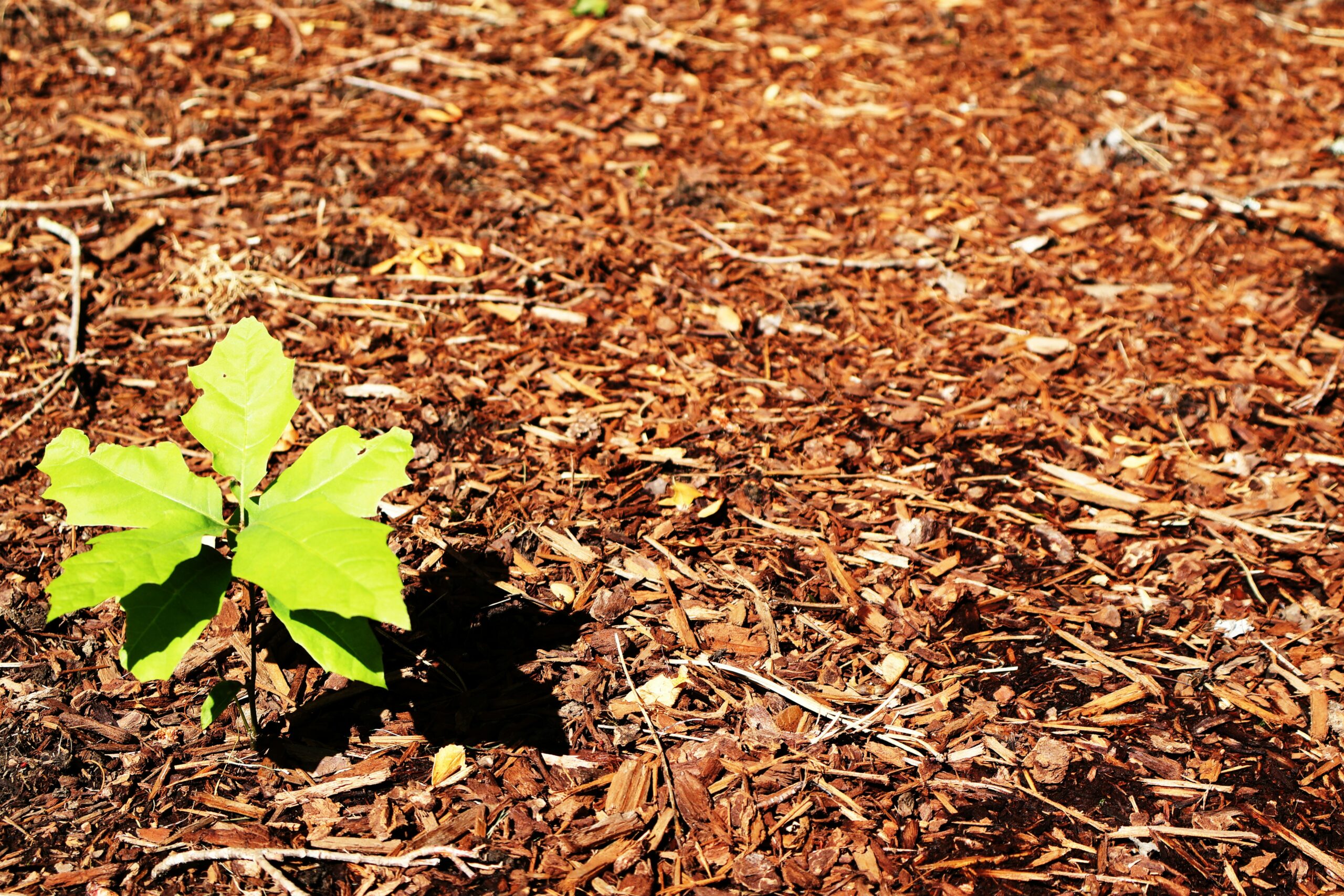
If your borders look tired and your lawn has turned brown, mulch can help your garden recover by retaining moisture in the soil, improving its structure and adding nutrients. Applied in autumn when the soil is moist, it also helps rainwater soak in, protects plant roots from temperature extremes and prepares your garden for healthier growth next year.
Garden Mulch in Cambridge from Madingley Mulch
If you’re looking for garden mulch in Cambridge or the surrounding area, we supply a wide range of mulches, barks and soil conditioners from our base on the edge of the city. Give us a call on 01954 212144 or email shop@mulch.co.uk for advice on which product best suits your soil.
Why Autumn Is the Time to Mulch
The RHS recommends mulching in mid-to-late spring or in autumn, as plants are dying back. The key is to lay it over moist soil that has been cleared of weeds, so if the ground in your garden is still dry, wait until a good spell of rain has soaked in first. We explained why in our previous article on keeping moisture in dry East Anglian gardens.
This year it matters more than usual. As well as holding moisture in summer, mulch helps rain soak into the ground in winter – exactly what dry soil needs over the coming months.
Putting Goodness Back into Tired Soil
Organic mulches do more than cover the surface. As they gradually break down, they release nutrients into the soil, improve its structure and encourage beneficial soil organisms, all of which help your garden bounce back after a hard summer.
Our own Tony’s Tonic can be spread over the soil or dug in, and makes a great winter mulch, while Denise’s Delight – a blend of Dark Fen soil and well-rotted horse manure – is ideal for raised beds.
If you have heavy clay soil, spent mushroom compost helps improve its structure, aeration and drainage. It is alkaline, though, so check your soil first – the RHS doesn’t recommend it for neutral, alkaline or chalky soils, or around acid-loving plants such as rhododendrons and camellias.
For borders where you want longer-lasting cover, our barks help retain moisture and protect plant roots from heat and frost, and only need topping up every two to three years.
Don’t Write Off a Brown Lawn
Autumn is the ideal time to help it recover. Aerating improves the movement of air and water around the roots, helping your lawn cope with both drought and waterlogging, and following up with a top dressing will improve the soil’s texture and drainage, particularly on heavy soils. Our Multipurpose Top Dressing blends Leighton Buzzard sand with agricultural topsoil and is designed to revive existing lawns. You’ll find more tips on how to care for your lawn in our previous article on autumn lawn jobs.
Looking Ahead to 2027
Unfortunately, a few wet weeks won’t be enough to end the drought. The Environment Agency says that even in its most likely scenario, East Anglia is expected to still be in drought at the start of April 2027 – heading into the drier months with a water shortfall.
The longer-term picture points the same way. Met Office projections indicate a general shift towards hotter, drier summers, while winters are becoming milder and wetter – and even a dry summer can bring intense downpours.
That’s why mulch is best thought of as year-round protection rather than a one-off job, and the foundation for a more drought-resistant garden.
Garden Mulch and Soil Conditioners from Madingley Mulch
As suppliers of garden mulch in Cambridge and Cambridgeshire, we can provide bark for your borders, soil conditioners for tired beds and top dressings for your lawn, in bags or in bulk. Our mulch calculator will also help you work out how much you need.
We can deliver your order, with charges worked out per item according to how far you are from our Cambridge base, and a minimum order value of £50. For more details, check out our deliveries page, or call us on 01954 212144 or email shop@mulch.co.uk.
Back to blog